How to Count Macros: A Simple Guide for Beginners
Learn how to count macros in 4 steps: set your calories, then protein, fat and carbs. With a worked example, a macro chart for common foods and recipes.

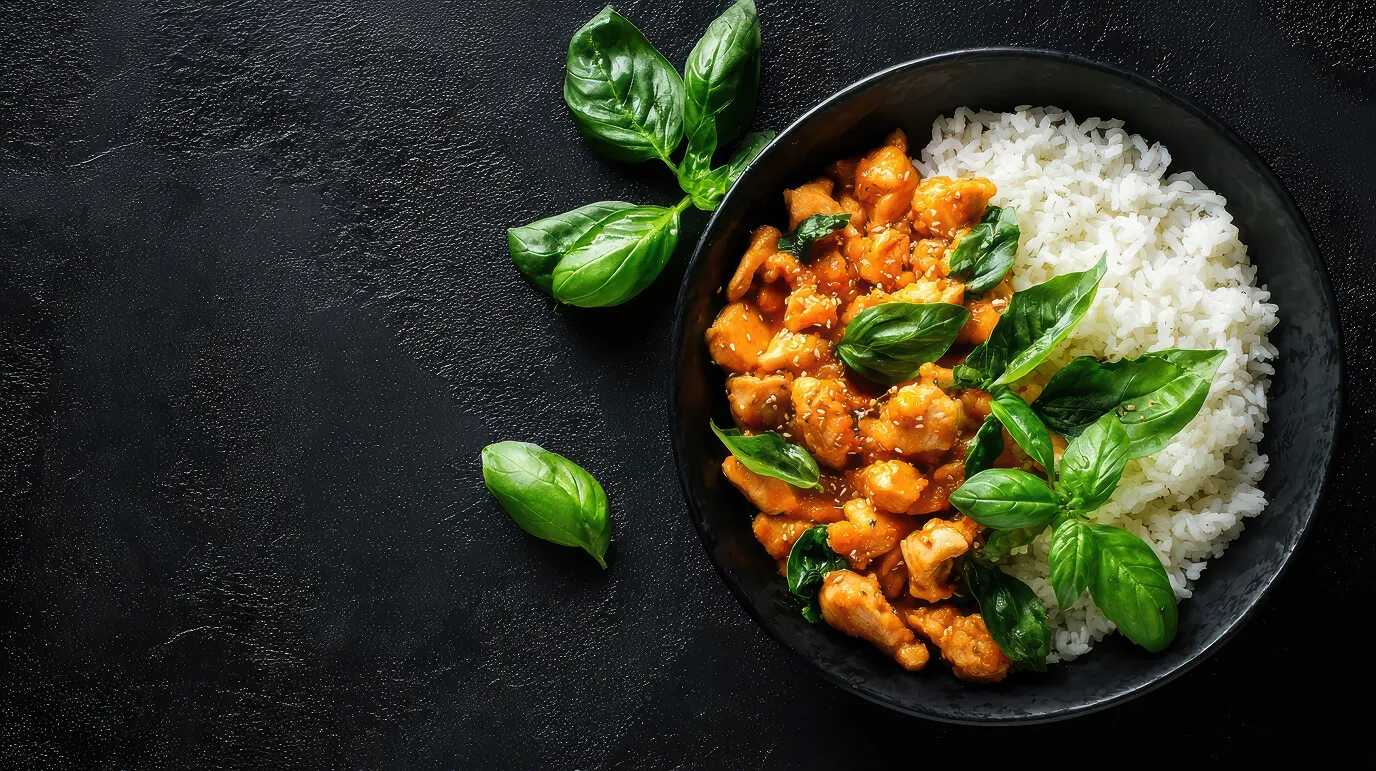
Short answer: to count macros, set your daily calories first, then protein (about 1.6 g per kg of body weight), then fat (about 25–30% of calories). The rest goes to carbs. Track what you eat in an app for a few weeks and adjust from there.
What are macros?
Macros, short for macronutrients, are the three nutrients that give you energy: protein, carbohydrates and fat. Every calorie you eat comes from one of them (or from alcohol).
| Macro | Calories per gram | Main job | Where you find it |
|---|---|---|---|
| Protein | 4 | Builds and repairs muscle, keeps you full | Chicken, fish, eggs, Greek yogurt, tofu, lentils |
| Carbohydrates | 4 | Main fuel for your brain and workouts | Rice, oats, potatoes, bread, fruit, beans |
| Fat | 9 | Hormones, vitamin absorption, flavor | Olive oil, nuts, avocado, salmon, cheese |
Counting calories tells you how much you eat. Counting macros also tells you what that energy is made of. Two days with the same calories can feel very different: one high in protein keeps you full, one high in sugar leaves you hungry.
How to count macros in 4 steps
Step 1: find your daily calories
Start with your maintenance calories: the amount that keeps your weight stable. Our guide on [how many calories you should eat a day] has a chart and a simple formula.
- To lose weight, subtract about 500 calories.
- To build muscle, add about 250–500 calories.
Step 2: set your protein
Set protein first, because it matters most for muscle and fullness. Use grams per kg of body weight:
- Basic health: 0.8 g/kg
- Active or losing weight: 1.2–1.6 g/kg
- Building muscle: 1.6–2.0 g/kg
See [how much protein you need a day] for the full table. Multiply your grams of protein by 4 to get calories from protein.
Step 3: set your fat
Give fat about 25–30% of your calories, and never less than 20%. Your body needs fat for hormones and to absorb vitamins A, D, E and K.
Calories × 0.30 ÷ 9 = grams of fat.
Step 4: fill the rest with carbs
Whatever calories are left go to carbs. Subtract protein and fat calories from your total, then divide by 4.
(Total calories − protein calories − fat calories) ÷ 4 = grams of carbs.
Example: macros for 1,900 calories
A 30-year-old woman weighs 65 kg, exercises a few times a week and needs about 1,900 calories to maintain her weight.
| Macro | How to work it out | Grams a day | Calories | Share |
|---|---|---|---|---|
| Protein | 65 kg × 1.6 g | 104 g | 416 | 22% |
| Fat | 1,900 × 0.30 ÷ 9 | 63 g | 570 | 30% |
| Carbs | (1,900 − 416 − 570) ÷ 4 | 229 g | 914 | 48% |
| Total | 1,900 | 100% |
She does not need to hit these numbers exactly. Staying within about 10 g of protein and carbs, and 5 g of fat, is close enough.
Macro ratios by goal
These are common starting points, not strict rules. All of them stay within the healthy ranges set by the US National Academies: 45–65% of calories from carbs, 20–35% from fat and 10–35% from protein.
| Goal | Protein | Carbs | Fat |
|---|---|---|---|
| Eat healthier, keep weight | 20–25% | 45–55% | 25–30% |
| Lose fat | 25–35% | 40–45% | 25–30% |
| Build muscle | 20–30% | 45–55% | 20–30% |
| Endurance training | 15–20% | 55–65% | 20–25% |
If you set protein in grams per kg (step 2), you do not need the percentage for protein. Use the table only to check that carbs and fat are in a sensible range.
Macros for weight loss
For fat loss, calories decide how much weight you lose. Macros decide how it feels and what you lose. Keeping protein high (1.2–1.6 g/kg) helps you keep muscle and stay full on fewer calories.
Cut calories mostly from carbs and fat, not protein. Keep fat at 20% or more, and fill up on vegetables and fruit for fiber.
Try our [One pot peanut chicken ramen noodles]
Macros for building muscle
To build muscle you need three things: a small calorie surplus, about 1.6–2.0 g of protein per kg, and regular strength training. Carbs fuel your workouts, so do not cut them too low.
A good post-workout meal has 30–50 g of protein and a solid portion of carbs, like our high-protein chicken bowl with 48 g of protein.
How to track your macros
- Use an app. Most calorie apps also show macros. Scan barcodes and search foods instead of typing numbers by hand.
- Weigh food for the first few weeks. A kitchen scale is far more accurate than guessing. Weigh meat and grains the same way each time, raw or cooked, and pick the matching entry in the app.
- Log oils, sauces and drinks. A tablespoon of oil adds about 120 calories and 14 g of fat, and it is the most common thing people forget.
- Log as you go. Add each meal when you eat it, or plan the day in the morning.
- Look at weekly averages. One high-carb day does not matter. Your average over the week does.
No app? Use your hand
If you do not want to track, use your hand as a rough portion guide for each meal:
- Protein: 1–2 palm-sized portions (about 20–40 g of protein)
- Carbs: 1–2 cupped handfuls
- Fat: 1–2 thumb-sized portions
- Vegetables: 1–2 fists
Macros in common foods
Approximate values. Check the label or your app for the brands you buy.
| Food | Portion | Calories | Protein | Carbs | Fat |
|---|---|---|---|---|---|
| Chicken breast, cooked | 100 g | 165 | 31 g | 0 g | 4 g |
| Salmon, cooked | 100 g | 206 | 22 g | 0 g | 12 g |
| Eggs | 2 large | 144 | 13 g | 1 g | 10 g |
| Greek yogurt, nonfat | 170 g | 100 | 17 g | 6 g | 1 g |
| Firm tofu | 100 g | 144 | 17 g | 3 g | 9 g |
| Lentils, cooked | 100 g | 116 | 9 g | 20 g | 0 g |
| White rice, cooked | 100 g | 130 | 3 g | 28 g | 0 g |
| Oats, dry | 40 g | 152 | 5 g | 27 g | 3 g |
| Potato, boiled | 100 g | 87 | 2 g | 20 g | 0 g |
| Banana | 1 medium | 105 | 1 g | 27 g | 0 g |
| Avocado | ½ (100 g) | 160 | 2 g | 9 g | 15 g |
| Almonds | 30 g | 174 | 6 g | 6 g | 15 g |
| Olive oil | 1 tbsp | 119 | 0 g | 0 g | 14 g |
Common macro counting mistakes
- Forgetting cooking oil and sauces. They can add 200–300 calories a day without you noticing.
- Mixing up raw and cooked weights. 100 g of raw rice is about 300 g cooked. Log the weight that matches the entry.
- Cutting fat too low. Below about 20% of calories, meals get less filling and you may miss out on fat-soluble vitamins.
- Ignoring fiber. Macros say nothing about fiber. Aim for about 25 g a day for women and 38 g for men from vegetables, fruit, beans and whole grains.
- Chasing perfect numbers. Close enough, most days, works. Being within 5–10 g is fine.
Do you need to count macros?
No. Counting calories and protein is enough for most people. Full macro tracking helps if you have a specific goal, like building muscle or preparing for an event, or if you want to learn what your usual meals contain.
Many people track for 4–8 weeks, learn their portions, then switch to eating by eye with the hand method above.
FAQ
What is a good macro ratio for beginners?
About 25% protein, 45–50% carbs and 25–30% fat works for most people. Adjust after a few weeks based on hunger, energy and progress.
How do I calculate my macros for weight loss?
Subtract about 500 calories from your maintenance calories. Set protein at 1.2–1.6 g per kg of body weight, fat at 25–30% of calories, and give the rest to carbs.
Is counting macros better than counting calories?
For weight loss alone, calories matter most. Counting macros adds control over protein, which helps you keep muscle and stay full. If tracking everything feels like too much, track calories and protein only.
Do I have to hit my macros exactly?
No. Being within about 10 g of your protein and carb targets and 5 g of your fat target is close enough. Your weekly average matters more than any single day.
What does IIFYM mean?
It stands for "if it fits your macros". It means any food can fit your diet as long as your daily protein, carbs and fat stay on target. It works best when most of your food is still whole and minimally processed.
Should I weigh food raw or cooked?
Either works if you stay consistent and pick the matching entry in your app. Raw weights are more accurate, because cooking changes how much water food holds.
Comments