How to Meal Prep for the Week: A Beginner's Guide
Learn how to meal prep in about 2 hours a week: what to cook first, which foods keep best, how long meals last in the fridge and how to reheat them.

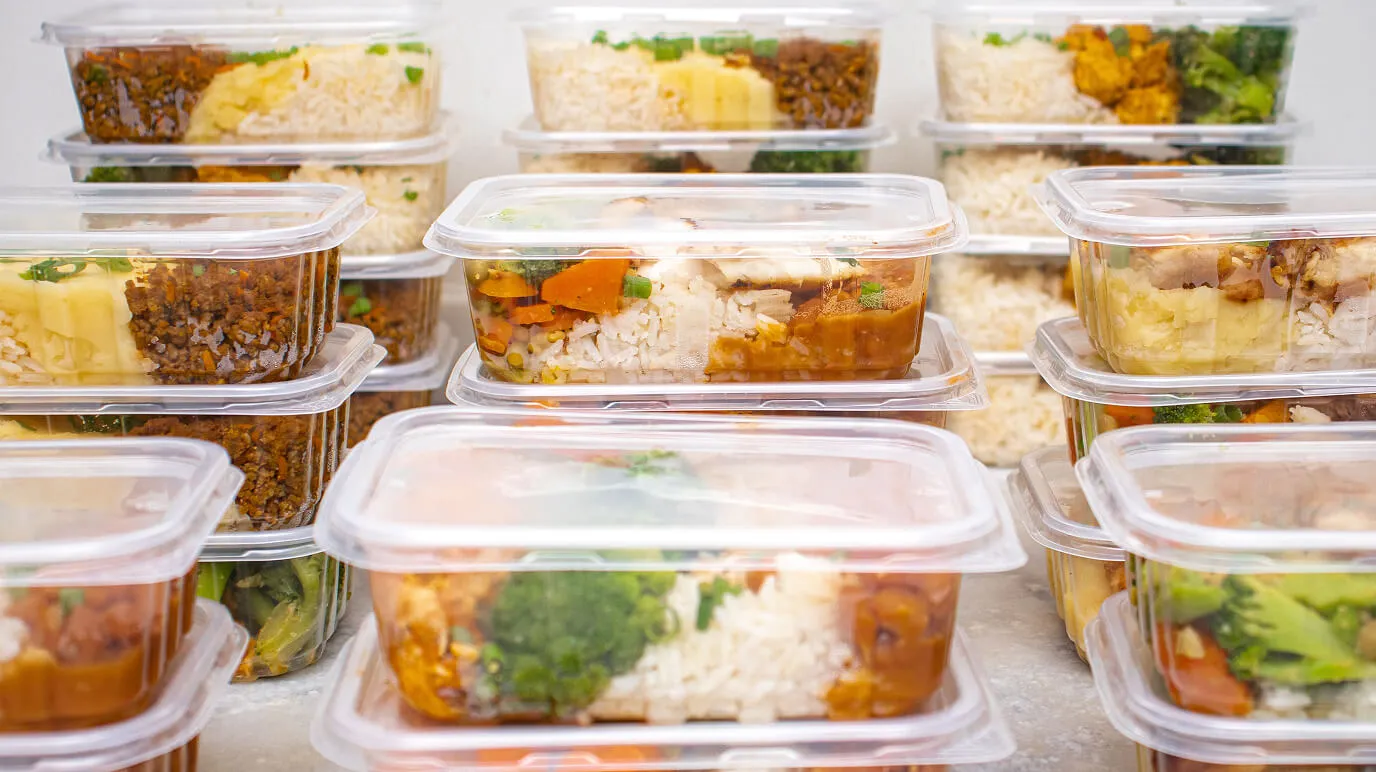
Short answer: to meal prep, pick 2–3 recipes, shop once, then cook everything in one 2-hour session, starting with what takes longest in the oven. Portion it into containers, keep 3–4 days of meals in the fridge and freeze the rest.
What is meal prep?
Meal prep means cooking some or all of your meals ahead of time, usually once or twice a week. It saves time on busy days, cuts food waste and makes it easier to eat well, because a healthy meal is already waiting in the fridge.
There is no single right way to do it. Most people use one of three styles:
| Style | What you do | Best for |
|---|---|---|
| Full meals | Cook complete meals and split them into containers | Lunches at work, strict calorie or macro goals |
| Batch ingredients | Cook proteins, grains and vegetables separately, mix them during the week | People who get bored eating the same meal |
| Prep and cook later | Wash, chop and marinate, then cook fresh each day | People who like hot, freshly cooked dinners |
If you are new to meal prep, start with batch ingredients. It is the most flexible, and you can turn the same few foods into different meals.
How to meal prep in 7 steps
- Pick your prep days. Sunday is the classic, but any day works. Many people prep twice: Sunday for Monday to Wednesday, and Wednesday for Thursday to Saturday. Food stays fresher this way.
- Choose 2–3 recipes. Start small. One protein, one or two grains, two vegetables and one sauce are enough for a week of varied meals.
- Write a shopping list. Check what you already have, then list everything by store section. Buying once saves time and money.
- Clear your space. Empty the dishwasher, clear the counter and get out your pans, trays and containers before you start.
- Cook in the right order. Start whatever takes longest (oven, grains), then do the hands-on work while it cooks. See the 2-hour plan below.
- Cool, then portion. Spread hot food in shallow containers so it cools fast, then split it into single meals.
- Store and label. Put the meals for the next 3–4 days in the fridge and freeze the rest. Write the date on each container.
A 2-hour meal prep session, step by step
The trick is to keep your oven, stove and hands busy at the same time.
- 0:00 – Heat the oven. Put chicken or tofu and a tray of chopped vegetables in to roast (about 25–40 minutes).
- 0:10 – Start the grains. Cook rice, quinoa or pasta on the stove. Boil eggs in a second pot if you want them for snacks.
- 0:20 – Chop raw vegetables. Prepare cucumbers, peppers, carrots and greens for salads and snacks.
- 0:40 – Make a sauce. A yogurt dressing, a peanut sauce or a simple vinaigrette takes 5 minutes and changes how every meal tastes.
- 0:50 – Cook a second protein or a batch dish. A pot of lentil soup, chili or turkey meatballs gives you a different meal for later in the week.
- 1:20 – Cool everything. Spread food out on trays or in shallow containers.
- 1:40 – Portion and pack. Fill containers, add labels and clean up as you go.
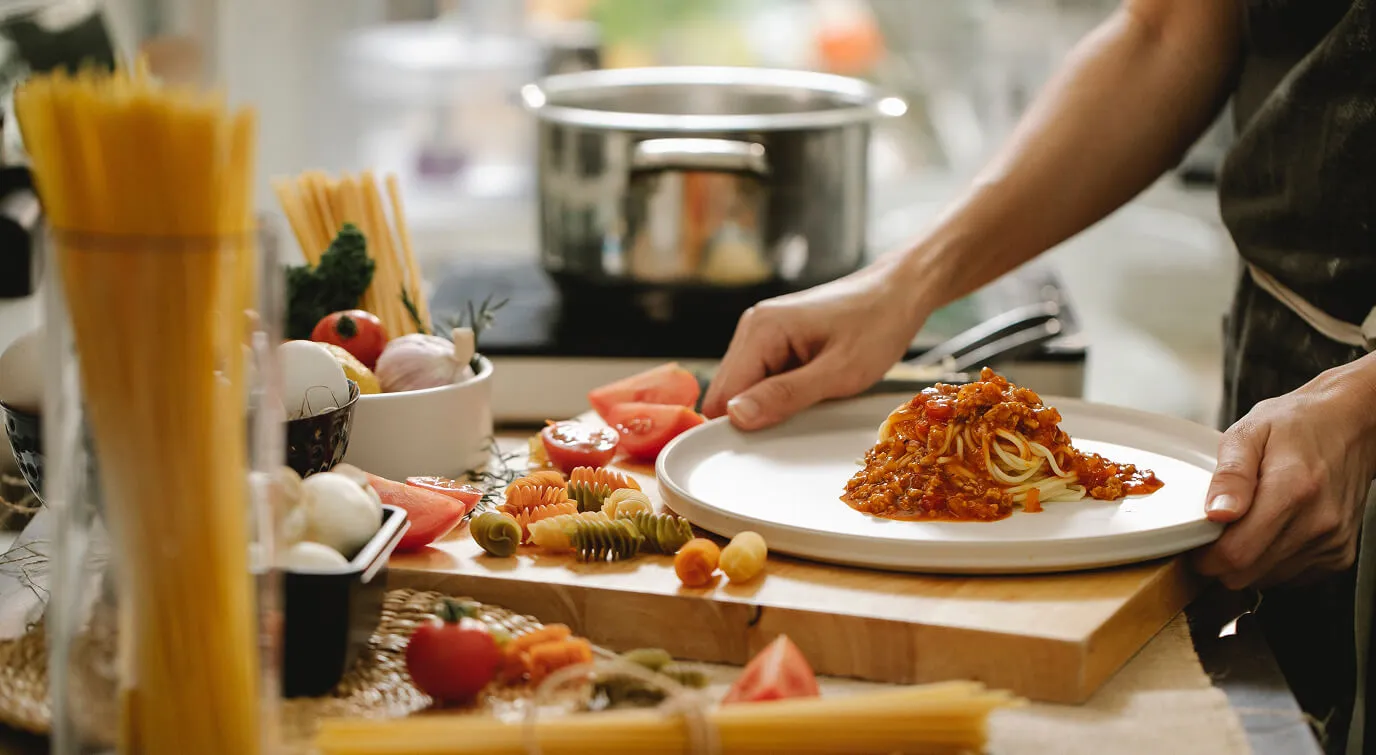
The build-a-bowl formula
The easiest way to avoid boredom is to prep parts, not meals. Pick one item from each column and you get a different bowl every day.
| Protein | Carbs | Vegetables | Sauce |
|---|---|---|---|
| Grilled chicken | Brown rice | Roasted broccoli | Greek yogurt and herb dressing |
| Baked salmon | Quinoa | Roasted peppers and onions | Lemon tahini |
| Turkey meatballs | Whole-wheat pasta | Spinach or kale | Tomato sauce |
| Crispy tofu | Sweet potato | Cucumber and carrots | Peanut sauce |
| Hard-boiled eggs | Lentils or chickpeas | Cherry tomatoes and greens | Vinaigrette |
Aim for about a palm of protein, a cupped hand of carbs and two fists of vegetables in each bowl. For a ready-made version, try our high-protein chicken bowl.
Best foods for meal prep
Some foods taste just as good on day 4. Others turn soggy or dry and are better added fresh.
| Keep well (prep ahead) | Add fresh (on the day) |
|---|---|
| Chicken thighs, meatballs, pulled meat | Fried or breaded foods |
| Rice, quinoa, farro, lentils, beans | Leafy salads with dressing already on |
| Roasted root vegetables, broccoli, peppers | Avocado (it browns) |
| Soups, stews, chili, curries | Crunchy toppings: nuts, seeds, croutons |
| Hard-boiled eggs, overnight oats | Soft herbs like basil and cilantro |
| Sauces and dressings, stored separately | Cut apples and bananas |
Keep sauces and dressings in small separate containers. Add them just before eating so nothing goes soggy.
How long does meal prep last?
The general food safety rule for cooked food is 3–4 days in the fridge. Anything you will eat later than that should go in the freezer on prep day.
| Food | Fridge | Freezer (best quality) |
|---|---|---|
| Cooked chicken, meat, meatballs | 3–4 days | 2–6 months |
| Cooked fish | 3–4 days | 2–3 months |
| Soups, stews, chili | 3–4 days | 2–3 months |
| Cooked pasta and grains | 3–5 days | 1–2 months |
| Cooked rice | 1 day (UK advice) to 3–4 days (US advice) | 1–2 months |
| Roasted vegetables | 3–4 days | Up to 3 months (softer when thawed) |
| Hard-boiled eggs | 1 week | Do not freeze |
| Overnight oats | Up to 4 days | Not recommended |
Rice needs extra care. It can carry bacteria that survive cooking, so cool it quickly, ideally within an hour, and keep it in the fridge. To be safe, cook rice twice a week or freeze it in portions.
A few rules keep prepped food safe:
- Put food in the fridge within 2 hours of cooking (1 hour on a hot day).
- Keep your fridge at 4°C (40°F) or below and your freezer at −18°C (0°F).
- Thaw frozen meals in the fridge overnight, not on the counter.
- When in doubt, throw it out.
How to reheat meal prep
Reheat until the food is steaming hot all the way through: 74°C (165°F) if you use a thermometer.
- Microwave: cover the container, add a splash of water to rice or grains, and stir halfway through.
- Oven or air fryer: best for roasted vegetables, meatballs and anything that should stay crispy.
- Stove: best for soups, stews and sauces. Bring them to a boil.
Reheat only what you will eat. Do not reheat the same portion twice.
Meal prep containers and tools
You do not need much to start:
- Glass containers with lids. They go from fridge to microwave, do not stain and last for years. Pick ones with 2–3 compartments for bowls.
- Small sauce containers. They keep dressings separate.
- Two large baking trays. They let you roast protein and vegetables at the same time.
- A large pot and a rice cooker (optional) for grains and batch soups.
- Masking tape and a marker for dates.
If you use plastic containers, check that they are labeled microwave-safe, or move food to a plate before heating.
Meal prep for weight loss and fitness goals
Meal prep is one of the easiest ways to hit a calorie or protein target, because you decide your portions once instead of at every meal.
- Work out your daily target first: see [how many calories you should eat a day] and [how much protein you need a day].
- Build each container around 25–40 g of protein.
- Weigh your portions on prep day and log them once. Every container of the same recipe then has the same numbers. See [how to count macros].
- Add beans, lentils or extra vegetables to keep meals filling. See [how much fiber you need a day].
Find more ideas in our [recipes].
Common meal prep mistakes
- Prepping too much at once. Seven days of the same meal leads to boredom and waste. Start with 3–4 days.
- Making everything the same. Prep parts and mix them, or use two or three different sauces.
- Adding sauce too early. Dressed salads and sauced grains go soggy. Pack sauces separately.
- Packing food while it is hot. Steam makes food soggy and slows cooling. Let it cool in shallow containers first.
- Forgetting snacks. Prep a few snacks too, like boiled eggs, cut vegetables with hummus, or yogurt with fruit, so you are not tempted by vending machines.
FAQ
How many days ahead can you meal prep?
Cooked meals keep 3–4 days in the fridge. For a full week, prep twice (for example Sunday and Wednesday) or freeze the meals for the second half of the week.
Is it safe to eat meal prep on day 5?
The usual food safety advice is to eat cooked food within 3–4 days. If you want meals for day 5 and later, freeze them on prep day and thaw them in the fridge the night before.
Can you freeze meal prep?
Yes. Soups, stews, chili, cooked meat, grains and most cooked vegetables freeze well for 1–3 months. Salads, raw vegetables, boiled eggs and dishes with creamy dressings do not.
How do you keep meal prep from getting soggy?
Let food cool before you close the lid, keep sauces and dressings in separate containers, and add crunchy toppings like nuts or seeds just before eating.
Is meal prep cheaper?
Usually, yes. Buying in larger amounts, cooking once and wasting less food all cut costs, and you spend less on takeout and lunches out.
What are the best containers for meal prep?
Glass containers with tight lids are the most popular choice. They are microwave- and dishwasher-safe, do not stain or hold smells, and last for years.
Comments